Blog post #1 (EDCI 338)
For the majority of student in todays genertion, social media plays a large role in their lives. As I get closer to gradution I am slowly looking at ways to put myself out there in my career field. As a generation of students who use social media as a primary communication platform, it is cool to learn how to use social media to our adevntage espcailly when it comes to networking for future careers!
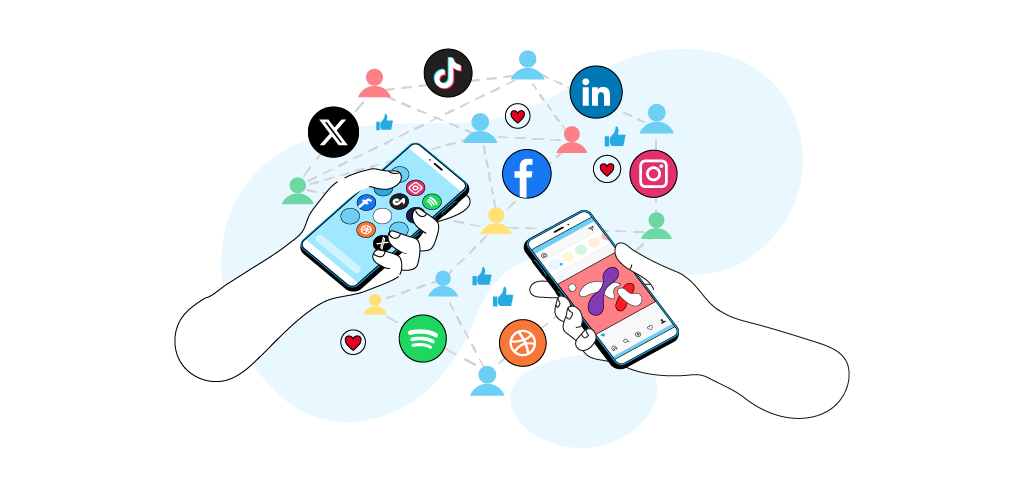
From the readings, I learned that a Personal Learning Network is all different types of online information that helps people connect. Using digital platforms to connect with people, share ideas, and learn is a type of networking known as social media networking. Social media is argued to be better than traditional networking because it enables better connections between people. In addition to Personal Learning Networks, students and professionals can connect with experts, participate in discussions, and exchange resources with like-minded individuals who share similar interests and goals. Social media also makes learning more interactive and ongoing, since users are constantly exposed to new information (https://www.futurelearn.com/info/courses/learning-network%20age/0/steps/24644).
The way people choose to use their social media platforms can vary (e.g., personal vs. professional). Using social media platforms in different ways can help people connect to different audiences, depending on their connection/ networking goals. The readings explained how online platforms help people build their identities and connect with others. I think this is important for students because social media can help create connections that may support school or future careers. At the same time, likes, comments, and shares can influence how people choose to present themselves online.
When crafting social media platforms, people are creating a kind of identity. It is shaped by what we post, share, comment on, and the photos we are in on social media. Eric Stoller explains that digital identity keeps changing because everything we do online affects how others see us. The readings also say that digital identity has both personal and professional sides. Personal identity is more casual and includes things like hobbies, opinions, and daily life. Professional identity is more focused and includes school, skills, and career goals. https://www.youtube.com/watch?v=u0RryRbJza0&t=1s
There are both rewards and risks that come with having an identity online. One of the biggest benefits of public communication online is how easy it is to connect with others and find information. Social media makes it simple to share achievements, find opportunities, and build communities where people support each other. It can also help with professional connections and learning, especially through Personal Learning Networks. At the same time, there are obviously risks to being active online. Anything posted or shared can stick around for a long time. Even things that seem casual or harmless in a personal context can affect how someone is seen in a professional way later on. It’s important to be cautious about what you post. Even if you cater your post depending on a personal or professional platform, it is important to know that any social media platform can overlap.
This week’s content helped me see that social media is not just for entertainment, as I have been using it. But it is also used for learning, connecting with others, and building identity online. Personal Learning Networks help people learn from and connect with others, and digital identity affects how we are seen online. The digital identity activity made me think more about what I share online and how I want to present myself in the future, both personally and professionally. I think having a good digital identity is about balance. People should be able to express themselves, but also think about how their posts might affect them later. As technology keeps growing, it’s important to use online spaces in a responsible way.