Substantive post #2 (Challenge C)
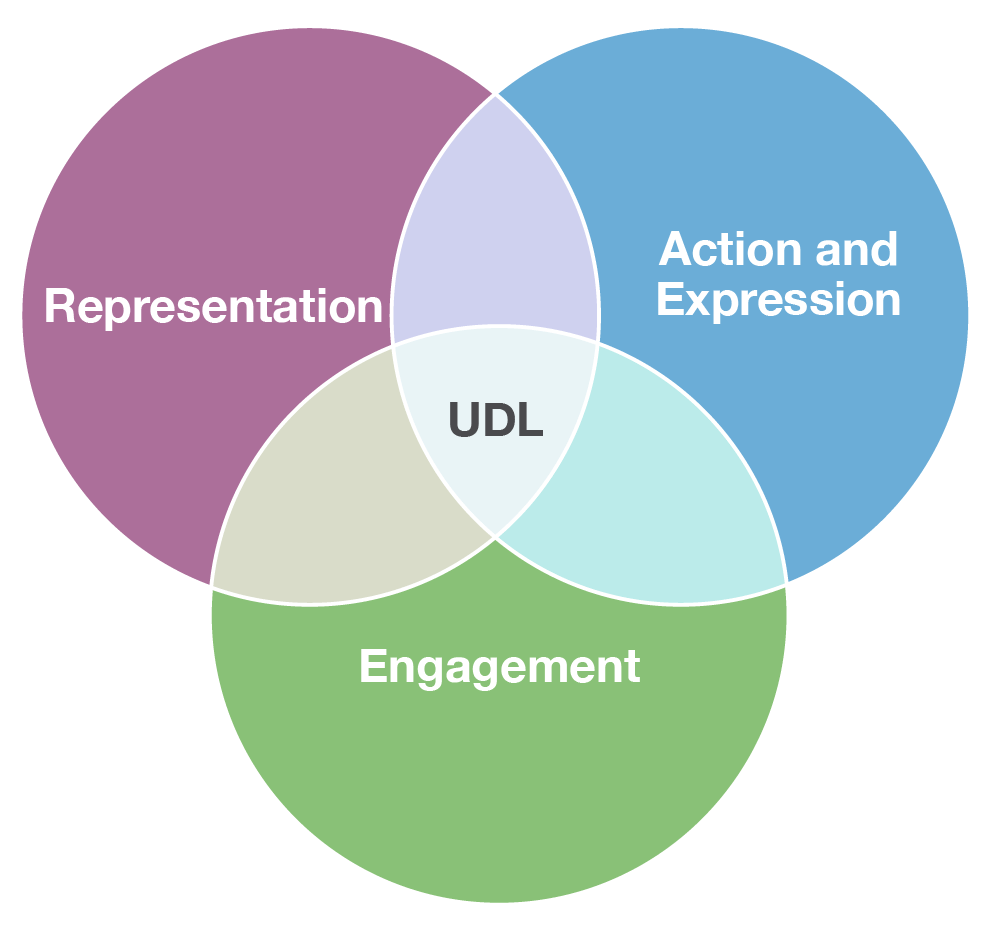
From a Universal Design for Learning (UDL) perspective, accessibility is not simply about compliance or accommodation; it is a way of learning based on the understanding that variability is needed for a functioning education system. UDL is the idea that learners have different ways of perception, including language backgrounds, cultural frames of reference, attention, motivation, and executive functioning. UDL aims to address these differences among students, ensuring that everyone has an equal opportunity for education. UDL shifts the responsibility from the learner’s ability to engage with the education system to the system’s capacity to accommodate each student’s unique differences.
UDL was derived from cognitive load theory and multimedia learning principles, which we have previously discussed in class. All of these theories demonstrate that accessibility is also about optimizing how learners absorb, process, and recall the information they are learning. A UDL makes sure that each individual, regardless of their differences, can work through these steps of learning.
We have learned in multimedia theories that representation is not only about offering text or captions; learning does not benefit from this. It is about engaging learners through simplicity, so learners are never overwhelmed by the information. Multimedia theories and UDL build off one another in quite a few ways. For example, using things like step-by-step learning lets learners join at different levels of difficulty, letting them build on their understanding over time. This idea supports equity and learner agency.
By focusing on flexibility in education and media, UDL wants to reduce the need for a structured curriculum, but also improve learning for anyone from any background. Accessibility in learning is not a set curriculum but a learning design that makes multimedia learning environments more inclusive, education supportive, and centered around the individual learner.
Hey Evelyn, I liked how you said that everyone needs an equal opportunity for education and address the gaps in differences in order to accommodate the students. Great addition of introducing what UDL was and where it came from and what we’ve discussed so far in class. Moreover, it was a good idea to mention how multimedia theories aren’t always about text or caption, but it is about recognizing and giving representation for people who need that support. You mentioned learner agency but didn’t explain what this was in the paragraph. I think adding definition and an example of this could make your argument much stronger. Additionally, I thought that the Venn Diagram you provided explained and supported your blog post. However, adding a clear title, a short caption, and a citation would strengthen it even more. These elements would help readers quickly understand the purpose of the diagram, how it connects to your reflection, and where it comes from. This small addition would make the visual feel more complete and academically grounded. Overall, great job!